
Trico Hatch (Tricorythodes): The Summer-Morning Mayfly That Defines Technical Trout Fishing
Tricos (Tricorythodes spp.) hatch + spinnerfall on summer mornings across SHA-region trout streams from July through mid-August. The hatch is brief, intense, and uncompromising on technique. For the angler who can manage size 22-26 dry flies on light tippet, Tricos produce some of the most rewarding dry-fly fishing of the inland season.
TL;DR
What this profile covers
The Trico hatch is one of the most important summer inland trout hatches in the SHA region. This article covers identification, timing, biology, technique, and the practical challenges of fishing the hatch effectively. See the inland trout seasonal calendar for the broader hatch context.
Identification
Tricorythodes (the genus; "Trico" is the universal angling nickname) are small mayflies with distinct features:
- Size: very small. Body length 4-7 mm; hook size 22-26 for matching patterns.
- Body color: dark olive to nearly black in male duns + spinners; lighter tan-olive in female duns.
- Wings: clear-to-light gray in duns; clear with dark venation in spinners.
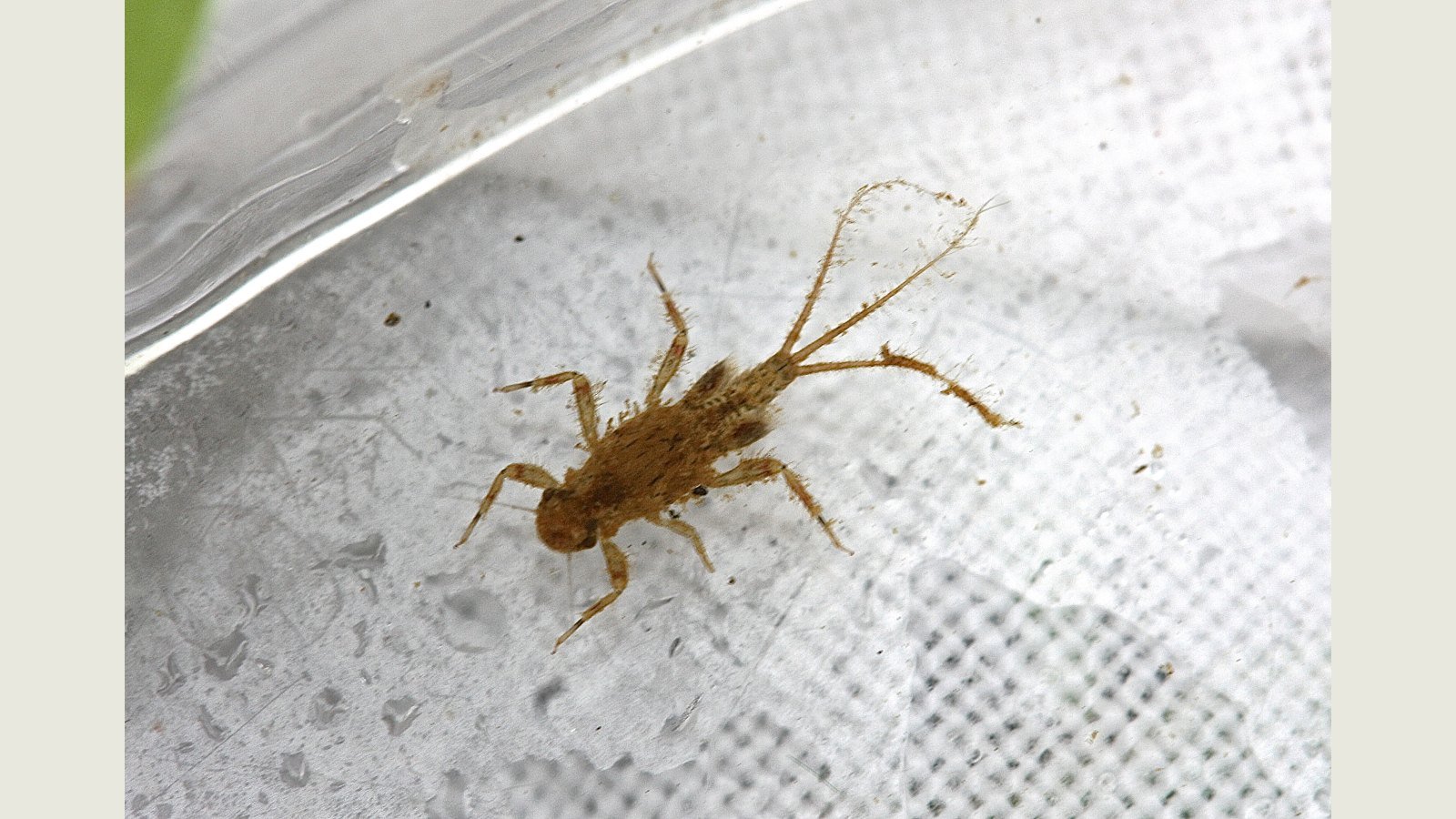
- Three tails -- diagnostic for Trico vs other small mayflies.
- Body shape: stocky for size; relatively heavy thorax.
Tricos are sometimes confused with small Blue-Winged Olives (BWO, Baetis spp.). The three tails vs two tails distinguish them; BWO have two tails.
Timing
Trico activity in the SHA region:
| Geographic onset | Mid-July in most SHA-region streams. Earlier on warmer water; later on cold-spring water. |
| Peak weeks | Late July through mid-August. |
| Tail-off | Late August to early September. |
| Daily timing | Duns emerge in the late evening + overnight. Female spinners mate + return to the water early in the morning. Spinner fall typically 6-10 a.m.; sometimes earlier on warm summer mornings. |
| Duration | Spinner fall lasts 1-3 hours per morning. Then over until next morning. |
The morning-focused nature of Trico fishing is the biggest practical challenge. By 11 a.m. the fishing is over for the day.
Biology + life cycle
Tricos exhibit a distinctive accelerated life cycle:
- Eggs deposited in stream gravel.
- Nymphs develop in silt + sand habitat; mature in 6-12 weeks (accelerated compared to most mayflies).
- Dun emergence in the evening and overnight from late July through mid-August.
- Spinner transformation within hours of dun emergence -- Trico duns molt to spinners overnight (not after a day like many other mayflies).
- Mating swarm at first light over the stream.
- Spinner fall -- mated females return to the water, oviposit, and die on the surface; this is the main angler-relevant event.
The compressed life cycle + morning-only spinner fall + small size + abundance combine to produce the technical fishing challenge that defines Trico fishing.
Tactics + flies
Trico fishing is dry-fly fishing under selective + technical conditions:
- Fly sizes: 22-26. Match the natural exactly; trout reject oversized patterns.
- Patterns: spinner patterns (parachute style or compara-spinner) with dark bodies; small CDC dun patterns for the brief dun-emergence window; clear-winged spinner patterns are the main producer.
- Tippet: 6X minimum; 7X for technical pools. The thin tippet is required for both presentation realism + casting accuracy with the tiny flies.
- Leader: long (12-15 ft) to keep heavier leader away from the fly.
- Presentation: dead-drift; track the fly carefully; mend to avoid micro-drag.
- Spotting fish: rising trout are visible during the spinner fall; cast to specific rising fish rather than blind-fishing.
- Hook-setting: gentle. Hard sets with 7X tippet break off.
Where in SHA-region waters
Tricos are present on most quality coldwater + coolwater inland trout streams in the SHA region. Notable strong populations:
- PA Class A and Wilderness Trout Streams -- Oil Creek + French Creek tribs + ANF tributaries.
- NY Wild Trout Streams -- Wiscoy Creek + Genesee headwaters.
- OH Clear Fork Mohican CR section.
See the Class A near the Alley pillar for specific water context.
Common challenges
- Casting size 24 dries with 7X tippet requires practice. Drill on the lawn before the season starts.
- Seeing the fly on the water is difficult. Use a high-floating attractor with a Trico dropper if vision is a problem.
- Hooking selective fish requires precise drag-free drifts. Bad presentations get refusals; good presentations get takes.
- The early morning timing means setting an alarm + being on the water at first light. Most anglers underestimate how early Tricos start.
Honest gaps
- No species-level Tricorythodes identification (multiple species in the genus; not angler-distinguishable in practice).
- No specific SHA-region Trico timing data; field observation is authoritative.
- No coverage of regional Trico-population-decline studies (concern in some watersheds).
Full source list
- Tier 3 -- entomological reference: Tricorythodes biology + life cycle (general mayfly literature).
- Tier 1 -- state agency hatch reference where published (PFBC + ODNR + NYSDEC).
Common questions
How do I know if Tricos are emerging?
Look for clouds of small mayflies swarming above the stream at first light + dimpling rises in the surface film. Trico hatches are visually unmistakable.
Can I fish Tricos without 7X tippet?
You can try with 6X; you'll get fewer takes from selective fish. 7X is the standard for Trico fishing on technical water.
What if I miss the morning spinner fall?
The hatch is over for the day. Switch to terrestrials + nymphs for the rest of the day.
Do Tricos hatch in stocked-only waters?
Yes, but the trout often don't key on them the way wild trout do. Wild populations train on Tricos over multiple seasons; stocked fish may not recognize the pattern.
Image credits and licensing
- Inline image: Tricos are small enough that timing and spinner-stage recognition matter more than fly-box variety. Photo: Bob Henricks / Wikimedia Commons, CC BY-SA 2.0.
- Hero image: Photo: Bob Henricks / Wikimedia Commons, CC BY-SA 2.0.
Continue learning
- What is a hatch?
- Terrestrials Primer -- the other half of summer dry-fly fishing.
- Inland Trout Seasonal Calendar.
- Source Discipline + Tier Hierarchy.


