Trout Water Classification: OH / PA / NY Designations Explained
Every inland trout stream within SHA's 2-hour scope carries a regulatory classification that determines what species are present, what tactics are allowed, what the bag limits are, and whether the stream is treated as a wild trout fishery or a put-and-take operation. This pillar is the categorical reference -- what each designation means, what it implies for the angler, and how to look up specific streams.
TL;DR
Pennsylvania (PFBC) classifications
| Class A Wild Trout | Streams with a documented wild (naturally reproducing) trout population at biomass thresholds set by PFBC. Class A waters are NOT stocked. Catch and harvest rules vary by stream but generally include season + size restrictions designed to protect the wild population. The current PFBC Class A list is published annually. See the SHA PA Class A primer. |
| Class B Wild Trout | Streams with documented wild trout reproduction at lower biomass thresholds than Class A. Class B waters may receive supplemental stocking. |
| Wilderness Trout Streams | Designated streams in remote areas managed for wild trout populations. Restrictive gear regulations (often artificial-only); strict harvest limits. |
| Heritage Trout Streams | Limited-fishing streams managed exclusively for native brook trout populations. The most restrictive PFBC designation; usually no harvest allowed. |
| Stocked Trout Waters (STW) | Streams that receive PFBC hatchery trout stockings annually. The bulk of PA put-and-take trout fishing happens on STW waters. Standard season + bag limits apply. |
| Approved Trout Waters (ATW) | Standard category for trout-managed waters; includes most stocked streams. |
| Catch-and-Release / Artificial Lures Only (CR/ALO) | Per-stream special regulation overlays that apply CR-only or single-fly rules. Visible from the PFBC special regulations list. |
| Delayed Harvest, Artificial Lures Only (DHALO) | CR for the first part of the season, harvest after a specified date. Common on stocked streams to extend the angling season. |
| Trophy Trout | Special-regulation overlays managing for larger trout via tackle restrictions + reduced bag limits + raised size minimums. |
New York (NYSDEC) classifications
| Wild Trout Stream | NYSDEC designation for streams with documented self-sustaining wild trout populations. Management generally protects wild populations through reduced stocking + sometimes gear restrictions. |
| Quality Trout Stream | Streams with quality wild trout populations that may receive supplemental stocking. Mid-tier wild-fish management. |
| Catch-and-Release sections | Per-stream regulation overlays; some major NYSDEC streams have year-round CR sections. Wiscoy Creek + select Catskill streams are well-known examples; specific NY-side SHA-region examples are limited. |
| Artificial Lures Only sections | Gear-restricted sections where bait is prohibited. |
| Stocked Trout Waters | NYSDEC operates a substantial stocked trout program; most SHA-region NY trout water is stocked rather than wild. |
| Special Regulations | NYSDEC publishes a special regulations list with per-stream rules. The list is authoritative. |
Ohio (ODNR) classifications
| Stocked Trout Streams | ODNR releases hatchery trout (primarily rainbows) at specific streams + ponds + reservoirs on a published seasonal calendar. Most Ohio trout fishing happens on stocked water. |
| Wild Trout Streams | Very limited in Ohio -- vestigial native brook trout populations in eastern hill country headwaters. Not commonly fished; conservation-sensitive. |
| Catch-and-Release sections | Clear Fork Mohican is the well-known example; year-round CR fly-fishing-only section. |
| Special Regulations | Per-stream rules published by ODNR; consult the per-cycle Ohio fishing regulations. |
Federal designations (USFS / NPS) within SHA scope
| Allegheny National Forest (USFS) | Federal land in NW PA hosting multiple Class A + wild trout streams. State (PFBC) regulations apply for fishing; USFS land-use rules apply for access, camping, vehicles. |
| Cuyahoga Valley National Park (NPS) | Federal land along the lower Cuyahoga River corridor. State (ODNR) fishing regs apply; NPS visitor + access rules layer on top. |
| State Forests (PA, OH, NY) | State-level forest land hosting trout water. State fishing regs apply; per-forest rules may add restrictions. |
| State Parks (PA, OH, NY) | State-level park land hosting trout water. State fishing regs apply; per-park rules may add restrictions. |
| Wildlife Management Areas (WMAs) | State land managed primarily for wildlife (often hunting-focused). Trout regulations apply where waters are managed for trout. |
How to look up specific streams
SHA does not maintain a per-stream classification database. The authoritative sources are:
- Pennsylvania: the PFBC website publishes annual Class A + Wilderness + STW + Heritage stream lists. The PA fishing regulations summary covers per-stream special regulations.
- New York: the NYSDEC freshwater fishing regulations include per-region and per-stream special regulations.
- Ohio: the ODNR trout stocking dates + per-cycle Ohio fishing regulations are authoritative.
- USFS: the Allegheny National Forest website covers federal land-use rules.
Quick comparison: same fish, different state
A wild brook trout in a small headwater stream might be:
- In PA: on a Class A or Wilderness Trout Stream with year-round catch-and-release single-fly rules. Heavy conservation protection.
- In NY: on a Wild Trout Stream with NYSDEC general trout regulations + possibly Special Regulations overlay. Moderate protection.
- In OH: on an unstocked headwater stream under standard Ohio trout regulations (limited recognition of wild status). Less specific protection.
The implication: PA has the most-developed wild-trout regulatory framework. NY has a strong-but-less-granular framework. OH has limited wild-trout-specific regulatory tools.
What this means practically
- Pre-trip homework matters. Before fishing a new stream, look up its classification. Tactics + bag limits + open season all depend on it.
- Multi-state trips need multi-agency awareness. An angler crossing the PA-NY-OH borders in a single trip is fishing under three different regulatory frameworks.
- Wild populations deserve voluntary catch-and-release. Even where harvest is legal, wild populations benefit from angler restraint.
- Per-cycle changes happen. Annual regulations include updates; the agency-published current cycle is authoritative.
Honest gaps
- No per-stream lookup tool -- consult per-agency lists.
- No comprehensive Canadian classification coverage -- Ontario MNRF Fisheries Management Zones operate on a different framework.
- No coverage of stillwater (pond + reservoir) trout regulations in detail.
- No federal Endangered Species Act + Clean Water Act framework coverage -- focused on state-level classifications.
Full source list
- Tier 1 -- Pennsylvania Fish and Boat Commission -- statewide classification framework.
- Tier 1 -- NYSDEC Freshwater Fishing Regulations.
- Tier 1 -- Ohio Department of Natural Resources.
- Tier 1 -- U.S. Forest Service: Allegheny National Forest.
- Tier 1 -- National Park Service: Cuyahoga Valley National Park.
- Tier 2 -- Trout Unlimited -- conservation-policy advocacy + national-level trout management.
Common questions
What's the difference between "Class A" and "wild trout"?
"Wild trout" is the general biological category -- trout that reproduce naturally in the stream. "Class A" is Pennsylvania's specific regulatory designation for streams with wild populations above a defined biomass threshold. All Class A streams are wild trout streams; not all wild trout streams are Class A.
Can I keep a brook trout from a stocked stream?
Generally yes, subject to bag + size limits. But the editorial recommendation is harvest stocked hatchery fish + catch-and-release any wild fish you encounter, even on mixed-stock waters. See the brook trout headwaters pillar.
How do I know which classification a stream has?
Each state agency publishes annual lists. PFBC + NYSDEC + ODNR each maintain searchable per-stream classification reference material.
Do classification rules supersede federal rules?
Federal waters can impose additional restrictions on top of state classifications. Federal land managers (USFS + NPS) defer to state fishing regulations for fish-management rules but can layer on additional restrictions for safety, access, or environmental protection reasons.
What's the most-restrictive PA classification?
Heritage Trout Stream -- single-fly + no-harvest + restrictive access. Managed exclusively for native brook trout populations.
Image credits and licensing
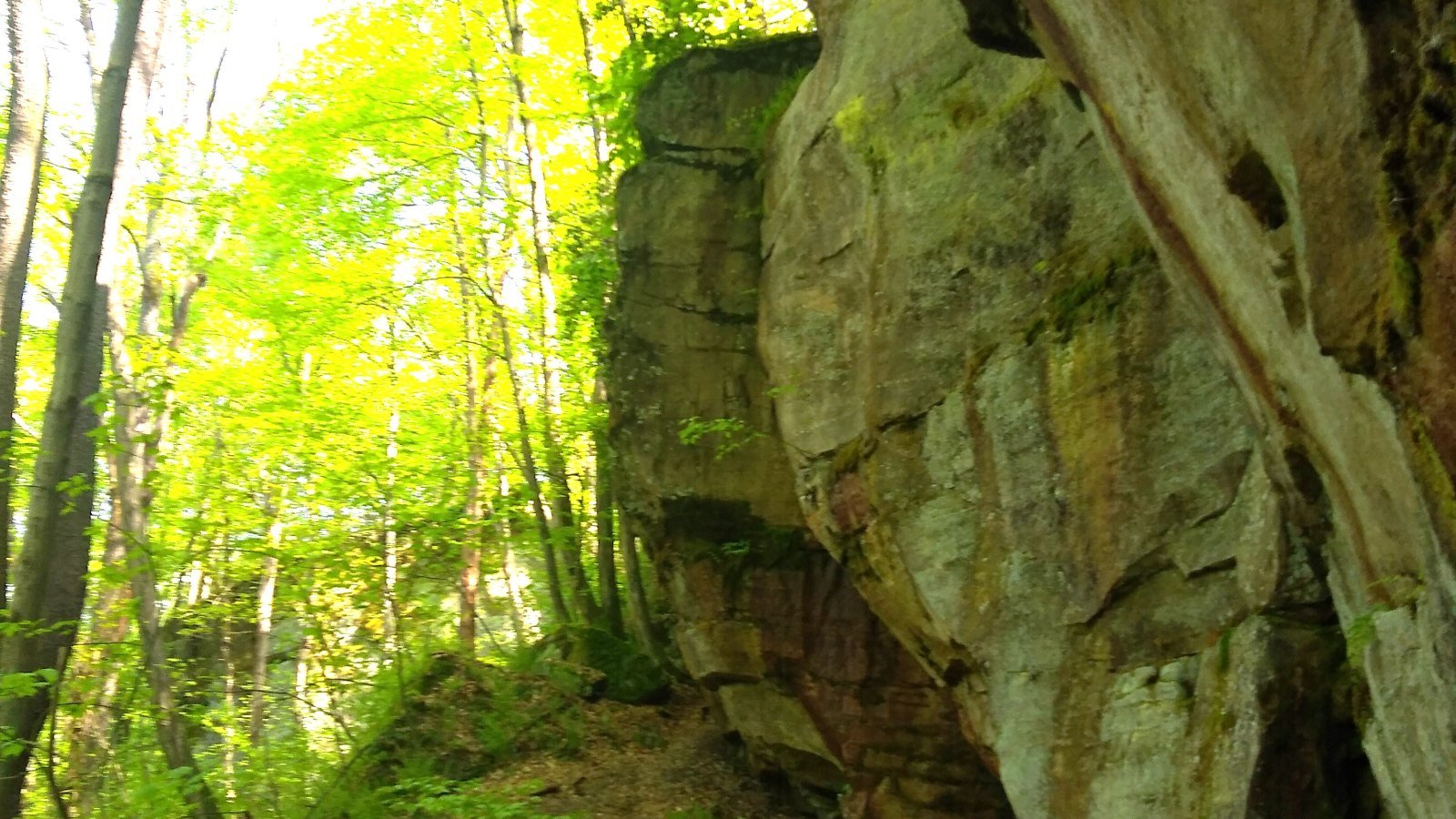
- Inline image: Trout-water labels only matter after they are grounded in real habitat, access, and management context. Photo: Doomsdayer520 / Wikimedia Commons, CC0.
- Hero image: South Branch Tionesta Creek. Photo: Nicholas / Wikimedia Commons, CC BY 2.0.
Continue learning
- PA Class A Wild Trout Fundamentals -- Class A in detail.
- Brook Trout Headwaters Near the Alley -- species + destinations.
- Inland Trout Near Steelhead Alley -- access map.
- Inland Trout vs Steelhead -- the comparison.
- Inland Trout Seasonal Calendar -- month-by-month.
- Source Discipline + Tier Hierarchy.